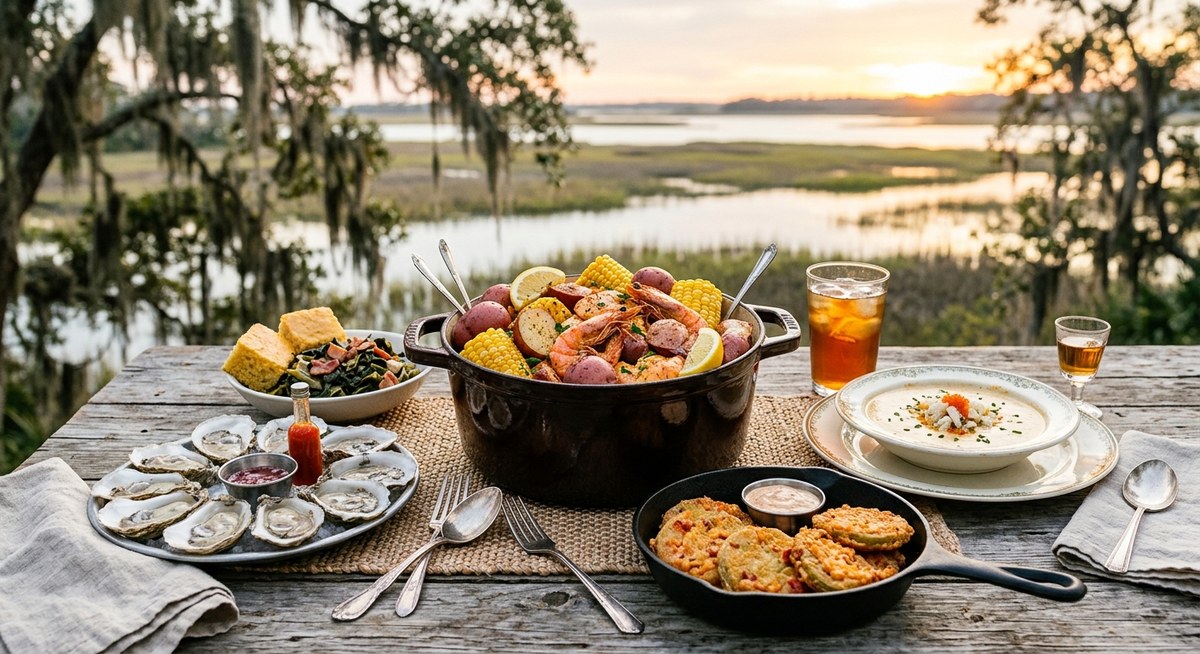
If you are a food lover chasing a true sense of place, the Lowcountry offers a culinary coastline like no other. This vibrant region blends sea life straight from the Atlantic with rice field history and a generous helping of Southern hospitality. At LowcountryNewspapers.net we cover food and dining with a local lens, and in this guide you will find the dishes that define the coast from Charleston to the Sea Islands. Grab a napkin and get ready for a savory tour that will make your next trip to the Lowcountry unforgettable.
Overview of Lowcountry Cuisine
Lowcountry cooking is a celebration of three anchors: the sea, the rice fields, and a people whose flavors trace back to many imprints including Gullah Geechee, African, European and Caribbean influences. Here is what makes this cuisine truly unique:
- A heavy emphasis on fresh seafood such as shrimp, oysters, blue crab and game fish caught just off the coast
- Rice as a staple that connects fields to feasts, including red rice and other seasoned blends
- Big, comforting flavors built with simple ingredients like cornmeal, okra, sausage, butter and herbs
- A tradition of one pot meals and family style serving that invites sharing
- A respect for seasonal and local produce that shows up in daily menus and weekend markets
Whether you are wandering the historic streets of Charleston or exploring the marshes around Beaufort, you will hear chefs talk about technique, terroir and the joy of good company. The dishes below are not just meals, they are stories.
Must-Try Dishes in the Lowcountry
Shrimp and Grits
Shrimp and grits stands as a core Lowcountry dish that many locals grew up eating. The dish can be creamy and cheese loaded or light and peppery, but the essence remains the same a simple blend of ocean sweetness with the earthiness of ground corn.
- Why it works: The grits mellow the salt and sweetness of fresh shrimp, while a splash of butter and a bit of stock bring it all together
- How to customize: Add andouille or tasso for heat, top with roasted garlic, or finish with a drizzle of hot sauce
- Best places to try it: Look for regional twists in Charleston area restaurants and at coastal markets
Tips for enjoying:
– Order a side of biscuit to balance richness
– Pair with a crisp white wine or a light lager
– Try versions that include tomato broth for a brighter finish
Lowcountry Boil (Frogmore Stew)
A crowd pleasing one pot dish that feels like a beach picnic in a pot. The core often includes shrimp or crab, corn on the cob, potatoes and andouille or smoked sausage.
- How it is served: Dump the mixture onto a table or newspaper lined area and share with friends
- Variations: Some cooks add deviled eggs or extra spice to suit heat lovers
- Why it matters: It showcases the generosity of Lowcountry hospitality and the region’s affinity for seafood boil culture
Practical tips:
– Eat with plenty of lemons on the side to brighten flavors
– Save the liquid for a seafood inspired soup later in the week
– If you cannot find a boil, try a seafood boil style at home using a large pot and a cooking rack
She Crab Soup
A rich creamy soup featuring crab meat and often crab roe finished with a suggestions of sherry or cream. It is a Charleston favorite that appears on many restaurant menus during the cooler months and in seafood houses along the coast.
- Why it works: The light sweetness of crab meets the depth of cream and a touch of spice
- How to enjoy: Serve with a crusty bread roll or buttered crackers for texture
- Where to taste: Look for soups labeled as house specials in local seafood houses and bistros
Pro tip:
– If you see it on a menu give it a try while you are near a historic Charleston restaurant that makes its own stock
Fresh Oysters
Oysters are a staple from the Lowcountry tides. Whether raw on the half shell, char grilled or served as part of an oyster roast, these plump creatures offer a taste of the coast.
- Seasonality: Fresh oysters are abundant when waters are cool; many places highlight seasonal varieties
- Popular preparations: Raw with lemon, mignonette sauce, or grilled with butter and herbs
- Where to try: Oyster bars and seafood joints along the coast especially in Charleston and on the Sea Islands
Crunchy tip:
– Try a sampling flight to compare brine and sweetness across a few varieties
Pimento Cheese
A true Southern staple that travels well and tastes good on its own or as a spread. In the Lowcountry this cheese mix is frequently served with crackers, crackers and celery sticks, or melted atop a warm biscuit.
- Flavor profile: Creamy, tangy and slightly peppery with a hint of sweetness from peppers
- How to enjoy: Spread on toast for a simple lunch or layer on a biscuit with slices of tomato
- Where to find it: Look for it on charcuterie boards at restaurants and in markets around Charleston and Beaufort
Hoppin John
A classic field bean and rice dish with Black Eyed Peas and rice, often seasoned with onion, peppers and sometimes sausage. It is linked to harvest calendars and regional celebrations.
- Story: It is a traditional dish for luck around the New Year and a comforting staple throughout the year
- How to serve: A side dish or a main with a slice of skillet cornbread
- Tips: A little hot sauce can brighten the dish while preserving its comforting character
Red Rice
Characteristic of Sea Island and Lowcountry cooks, red rice brings color and depth to a meal. It is typically cooked with onion, bell pepper and sometimes sausage or ham.
- Why it matters: It demonstrates how rice became central to Lowcountry cuisine
- How to serve: As a bed for seafood like shrimp or fried catfish, or as a stand alone side
Benne Wafers
These sesame cookies are a beloved Lowcountry snack perfect with coffee or tea. They are crisp, lightly sweet and carry a toasty nutty note.
- Why they endure: They pair beautifully with milk or a dessert wine after a seafood feast
- How to store: Keep in an airtight tin to retain their crunch
Calabash Style Fried Seafood (Regional Note)
While Calabash remains a North Carolina staple, you will often see fried seafood served in a similar light, crisp style across the Lowcountry. It uses cornmeal breading and a hot fryer to deliver a delicate crust that does not overwhelm the seafood inside.
- What to look for: A bright, non greasy finish and a good dusting of seasoning
- Best pairings: Light lemon wedges and a cold beer
To summarize these must try dishes in one quick list:
1. Shrimp and Grits
2. Lowcountry Boil (Frogmore Stew)
3. She Crab Soup
4. Fresh Oysters
5. Pimento Cheese
6. Hoppin John
7. Red Rice
8. Benne Wafers
9. Calabash Style Fried Seafood
Where to Taste in the Lowcountry
If you want a practical map for your culinary adventure, here are a few hot spots by region. These picks emphasize local flavor, hospitality and the chance to sample multiple items from this guide.
Charleston Area
- Darling Oyster Bar: A modern oyster bar with classic preparations and inventive toppings
- Poogans Porch: A long standing neighborhood favorite offering soulful Southern dishes and seafood
- Husk: A modern take on Southern classics with an emphasis on locally sourced ingredients
- Virginia’s on King: A staple for seafood lovers with traditional Lowcountry dishes
- Millers All Day: A casual spot known for generous portions and comforting plates
- Breakwater Restaurant and Bar: A waterfront option to savor seafood with a refined twist
Beaufort and the Sea Islands
- A mix of fresh seafood shacks and refined eateries where you can order shrimp and grits and fried seafood with a Lowcountry flair
- Oyster roasts and market tastings are common during warm seasons
Hilton Head and Nearby
- Oceanfront spots and casual cafés that highlight island seafood, seasonal vegetables and classic sides
- Local markets often feature ready to eat shrimp and grits and pimento cheese varieties
Tips for planning tasting itineraries:
– Build a day around a dish you love, then add a couple of side items
– Try two new dishes during each major meal for a well rounded experience
– Check seasonal menus for oyster roasts and shrimp specials
Pairings and Market Finds
Pairing the right drink with a Lowcountry bite can elevate the flavor profile while reinforcing a sense of place.
- White wines: Sauvignon Blanc, Chardonnay, or a lightly oaked friendly option works well with seafood and creamy soups
- Sparkling wines: A dry sparkling or Cava can cut through richness while keeping the mood festive
- Local beers: A light lager or a pilsner complements fried seafood and spicy dishes
- Non alcoholic: Fresh lemonade with a hint of mint or a lightly sweet tea balances heat and richness
Markets and markets stalls
– Local farmers markets are where you will find fresh okra, green onions, peppers and the best tomatoes to accompany shrimp and grits
– Look for local biscuit makers and bakeries offering Benne Wafers and fresh cornbread to round out meals
– Seafood markets often showcase daily catches including shrimp, oysters and crab and can be a great source of inspiration for a home cooked Lowcountry feast
Planning Your Lowcountry Food Adventure
A successful Lowcountry food trip is as much about planning as it is about tasting. Here are practical steps to maximize your experience.
- Choose your season: Oyster season typically runs through late fall to early spring; other dishes shine in summer and early fall
- Plan a two to three day sampling route: Focus on a core city area like Charleston first, then add Beaufort and Hilton Head or nearby towns
- Budget smarter: Market bites and casual bistros can give you authentic flavor at lower costs than fine dining
Sample three day itinerary:
– Day 1 Charleston core: Breakfast biscuits, Shrimp and Grits lunch, and a late afternoon oyster flight
– Day 2 Beaufort area: Lowcountry Boil with friends, a bowl of She Crab Soup, and Benne Wafers for dessert
– Day 3 Hilton Head: Fresh oysters with a light salad and Red Rice as a side to a seafood platter
Seasonal recommendations:
– Oyster season brings the richest shellfish experiences
– Harvest season for local herbs and okra makes dishes crisp and fresh
– Holiday menus bring rich stuffing, sausage and pepper flavors that are new yet familiar
Budget and dining tips:
– Combine markets with restaurant meals to extend your experience
– Try family style dishes when traveling with others to share more bites
– Look for chef specials that showcase local ingredients and seasonal produce
A Quick Local Flavor Primer
- Tasting order: start with lighter seafood bites and move toward heartier plates
- Texture play: pair creamy grits with crisp fried items or bright citrus
- Regional slang and names: many dishes carry a family story or a storied origin you may want to ask about
- Etiquette: sharing plates is common and part of the Lowcountry dining culture
Why This Guide Matters to Our Readers
LowcountryNewspapers.net is dedicated to connecting readers with the culture of the coast through food and dining. Our aim is to help you navigate a region where history, tourism and community events mingle with a living culinary tradition. This guide collects staple dishes, popular places, and practical tips to help you craft a satisfying Lowcountry food experience that feels both authentic and easy to enjoy.
If you have a favorite Lowcountry bite or a go to spot that deserves a shout out, we would love to hear from you. Leave a comment or send a note about your Lowcountry food adventures and we might feature it in a future post.
In the end the best way to understand Lowcountry cuisine is to taste it. From creamy comfort foods to bold coastal flavors each bite tells a story about the sea, the land and the people who have sustained this cuisine for generations. Enjoy the journey and savor the hospitality that makes dining here so special.