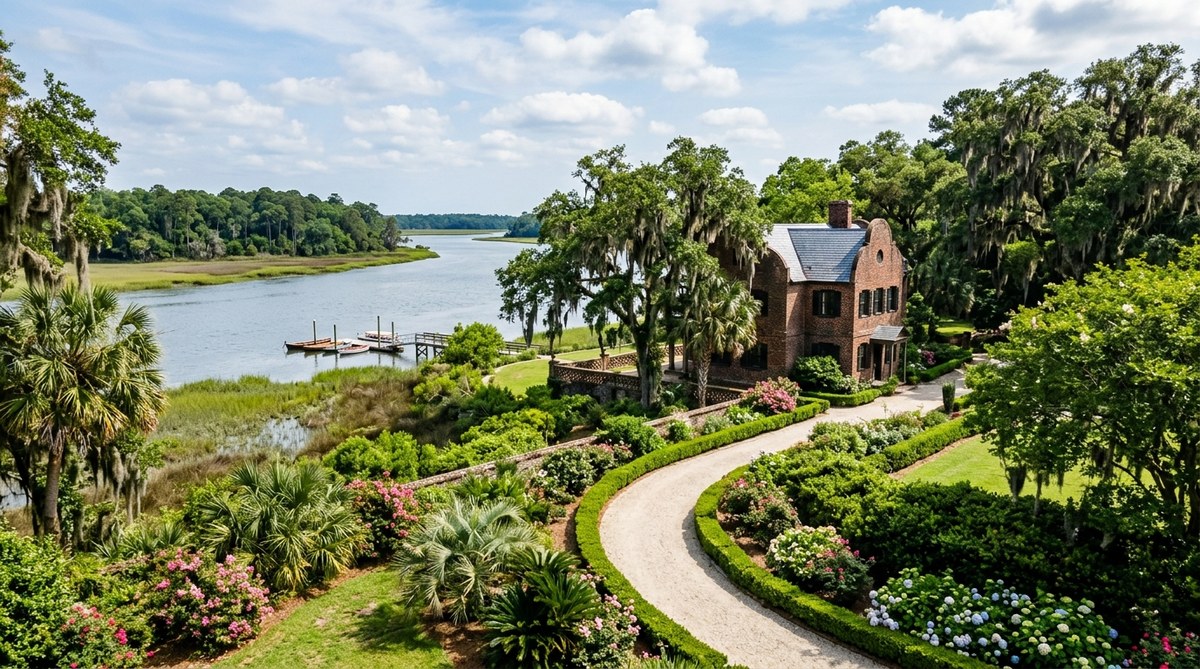
The Lowcountry is more than a pretty coastline and a culinary scene. It is a living tapestry of American history, from colonial streets and plantation lore to battlefield memory and museum displays that illuminate generations of coastal life. If you are planning a trip that dives deep into the stories that shaped Charleston, Beaufort, and the surrounding sea islands, you have come to the right place. In this guide we highlight historic sites across the Lowcountry that offer a genuine sense of place, along with practical tips so you can make the most of your visit. Whether you are a history buff, a culture seeker, or a family looking for engaging learning experiences, these stops deliver.
Essential Lowcountry Historic Sites
Fort Sumter National Monument
Fort Sumter stands as the spark that ignited the Civil War and remains one of the most iconic symbols of American resilience and change. Located in Charleston Harbor, the fort can only be reached by ferry, which adds a small adventure to the day. The views of the water, the skyline, and the nearby fortifications create a palpable sense of the past meeting the present.
What you will find there
– The structure itself is a window into military architecture from the 1800s and the strategic importance of Charleston during the war.
– Exhibits at the ferry landings and the surrounding park area help explain the sequence of events that led to secession and the war.
– The ride to Fort Sumter gives you ample time on the water to admire the harbor and learn from guide-led commentary aboard the ferry.
Tips for visiting
– Check ferry schedules and reserve your tickets in advance when possible, especially in peak season.
– Arrive early to avoid crowds and to catch the best light for photos across the water.
– Dress for the outdoors; the deck and fort interior can be exposed to sun and wind.
Nearby experiences
– A stroll along the Charleston waterfront and a stop at the City Market area can turn a day trip into a full exploration of historic and modern Charleston.
– Combine your Fort Sumter visit with a Charleston Harbor cruise to see nearby fortifications and lighthouses from a different perspective.
Why it matters
Fort Sumter is not only a battlefield site; it is a point of departure for understanding how regional economies, politics, and families were shaped by a conflict that defined a nation. The experience connects visitors with the human stories behind the stones and shells, making it a must see for history minded travelers.
The Old Exchange and Provost Dungeon
Sitting on the edge of Charleston’s historic district, The Old Exchange and Provost Dungeon is a treasure trove of Revolutionary War and Civil War era history. This building has served as a lighthouse for governance and justice in South Carolina, and its cells and dungeon offer a vivid reminder of a time when consequence and order met on the same stage.
What you will find there
– A structured tour that brings the building to life through stories of merchants, magistrates, and soldiers who moved through its doors.
– Architectural elements from the 18th century that reveal the city’s colonial planning and social structure.
– Exhibition spaces that connect dramatic events to everyday life in Charleston during colonial and early American periods.
Tips for visiting
– Book a guided tour to gain a deeper understanding of the Provost Dungeon and the surrounding rooms.
– Allow time to explore nearby sites in the historic district, including churches, galleries, and small museums that complement the Old Exchange experience.
Nearby experiences
– A short walk through the historic market district offers an edible and crafts filled snapshot of Lowcountry life.
– Evening walking tours often include the Exchange and other nearby colonial landmarks.
Why it matters
The Old Exchange and Provost Dungeon tells how law, order, and commerce intersected in a port city that was already an international crossroads. It is a compact, high impact visit that makes history feel immediate and personal.
Middleton Place
Middleton Place is a National Historic Landmark famous for its meticulously designed gardens and the grand house that served as the centerpiece of a diversified plantation economy. The landscape here is not just scenery; it is a chronicle of horticultural taste, agrarian enterprise, and social change that spans centuries.
What you will find there
– One of America’s oldest landscaped gardens with broad terraces, reflecting pools, and formal lawns.
– A restored 18th century house that offers a window into the daily life of a planter family.
– Insightful exhibits on the enslaved community that lived and worked on the plantation, presented with sensitivity and context.
Tips for visiting
– Reserve garden time slots if available; the grounds are expansive and designed for leisurely exploration.
– Wear comfortable shoes since the garden paths can be uneven and the grounds are expansive.
– Combine Middleton Place with a nearby visiting sequence that includes other historical sites or a riverside meal.
Nearby experiences
– The nearby Ashley River roads provide scenic views and additional plantations to explore.
– Local art galleries and farm to table dining experiences offer a taste of Lowcountry culture to pair with the day.
Why it matters
Middleton Place embodies the complexity of Lowcountry history, weaving together aristocratic landscape design, agricultural enterprise, and a shadowed but essential part of the story — the lives of enslaved people who contributed to the plantation economy. It is an essential stop for visitors who want a balanced, reflective view of the region’s past.
Drayton Hall
Drayton Hall stands as one of the best preserved plantation houses in the South, offering a rare opportunity to step into a survivor from the colonial era. Its architecture and the surrounding grounds tell a story of endurance and change that continues to resonate with modern visitors.
What you will find there
– A well preserved 1738 house that has seen minimal modern alterations, providing an authentic glimpse into 18th century life.
– Informative tours that explain construction techniques, family histories, and the broader economic context of the era.
– An on site museum with artifacts and displays that illuminate plantation life and the regional economy.
Tips for visiting
– Plan for a slower pace; Drayton Hall rewards patient, reflective exploration.
– Check the schedule for guided tours or talks that highlight specific aspects of the house or landscape.
– Bring water and wear weather appropriate clothing as you explore the exterior and outbuildings.
Nearby experiences
– The nearby town of Summerville and rural roadways give visitors a chance to see the wider agricultural landscape of the region.
– Picnic areas nearby provide opportunities to extend the visit with a relaxed afternoon.
Why it matters
Drayton Hall is a touchstone for understanding architectural history and the daily realities of plantation life. It provides a lens into construction practices of the era and invites visitors to consider the broader social and economic frameworks that shaped the Lowcountry.
Magnolia Plantation and Gardens
Magnolia Plantation and Gardens is a living museum of landscape design and ecological history. Established in the 17th century, it is one of the oldest and most beloved plantation sites in the South, renowned for its expansive gardens and historic water features.
What you will find there
– A blend of formal and natural landscapes that reveal centuries of horticultural experimentation.
– Historic structures including the Big House and preserved slave quarters that offer stark reminders of the era.
– Easy walkways and guided boat tours that allow you to experience the grounds from different angles.
Tips for visiting
– Spend a full day if possible to enjoy the gardens at different times of day.
– Take a guided walk that focuses on garden design, native plant species, and the history of plantation life.
– Bring a camera for the vibrant colors of azaleas, camellias, and live oaks.
Nearby experiences
– A short drive to nearby plantations and waterfront towns can enrich the sense of scale and regional history.
– Local eateries around the area provide traditional Lowcountry fare to savor after a day outdoors.
Why it matters
Magnolia Plantation and Gardens demonstrates how agriculture and landscape design evolved in the Lowcountry, while also providing a powerful site to reflect on the lives of enslaved people who labored on the plantation. It is a classic stop that showcases beauty, memory, and history in equal measure.
Boone Hall Plantation
Boone Hall Plantation is famous for its tree lined avenue and its long history as an agricultural site with deep roots in the region. It has also become a cultural touchstone through storytelling about life on a Southern plantation and the evolving interpretations of that past.
What you will find there
– Historic grounds that highlight plantation era architecture and landscape design.
– Educational exhibits about enslaved communities and the daily life of workers who helped shape the plantation economy.
– A mix of guided tours and self guided experiences that cover house interiors, grounds, and outbuildings.
Tips for visiting
– Check tour times and choose a session that focuses on the aspects you want to learn about.
– Take a stroll down the avenue to fully appreciate the iconic rows of ancient trees.
– Pair with another plantation stop in the same day to compare landscapes and histories.
Nearby experiences
– The family friendly surroundings make Boone Hall a good starting point for a broader Lowcountry day.
– Nearby shops and waterfront dining possibilities provide a casual end to the visit.
Why it matters
Boone Hall tells a broader story about the economic and social history of the Lowcountry while also highlighting landscape design that has become synonymous with Southern plantation imagery. It offers context for visitors who want to understand the cultural shifts that have occurred over centuries.
Aiken-Rhett House
The Aiken-Rhett House presents a more urban story of plantation life, preserved as a window into the everyday experiences of its residents, including enslaved workers. It is a powerful companion to the grander plantation estates and provides a critical counterpoint to the more ceremonial narratives of history.
What you will find there
– An authentic urban setting with preserved outbuildings and a well preserved exterior.
– Tours that explain the daily life of residents, the operations of a city house, and the lives of enslaved people who lived here.
– A focused look at social history, property management, and the urbanization of Charleston.
Tips for visiting
– Take the guided tour for context about the house, its families, and the enslaved community who contributed to its operation.
– Combine with a stroll through neighboring streets filled with historic churches and homes.
Nearby experiences
– Short hops to nearby colonial era sites and museums to round out a day of history in downtown Charleston.
Why it matters
Aiken-Rhett House emphasizes social history and the lived experiences of ordinary people in a city setting. It provides critical, nuanced context to the broader plantation narrative and helps visitors understand the complex story of the Lowcountry.
The Charleston Museum
As America’s first museum, the Charleston Museum is a cornerstone of cultural memory in the region. It houses a broad collection that covers natural history, archaeology, and decorative arts that illuminate the Lowcountry landscape and its people.
What you will find there
– Exhibits that cover the natural world, the indigenous people of the region, and the evolving cultural landscape of Charleston and beyond.
– A selection of objects that demonstrate regional trades, crafts, and daily life through the centuries.
– Engaging displays for visitors of all ages that connect past to present.
Tips for visiting
– Allow at least a couple of hours to explore the diverse exhibits.
– Look for special exhibits and seasonal displays which often provide fresh perspectives on familiar topics.
Nearby experiences
– The museum sits in the heart of Charleston’s historic district, making it easy to pair with a walking tour of waterfronts, old churches, and colonial era sites.
Why it matters
The Charleston Museum is a gateway to centuries of regional history and a reliable way to ground a Lowcountry visit in context. It provides a broad, accessible introduction that complements more site specific visits.
The Old Slave Mart Museum
The Old Slave Mart Museum stands on a site where enslaved people were bought and sold during a painful period of American history. The building is a stark reminder of the commercial mechanisms that underpinned the region’s plantation economy and a critical place for education and remembrance.
What you will find there
– Exhibits and interpretive panels that describe the slave trade, the lives of enslaved people, and the broader implications for American history.
– Artifacts and stories that help visitors understand the resilience and humanity of those who endured this period.
– A compact, focused museum experience that pairs well with a broader day of learning in Charleston.
Tips for visiting
– Take time to read the interpretive text and reflect on the human narratives presented.
– Consider pairing this visit with a walk through other historic sites in the area to gain a more complete view of the period.
Nearby experiences
– The adjacent streets in the historic district offer a contrast to the museum experiences with architecture and commerce from the era.
Why it matters
The Old Slave Mart Museum makes a crucial contribution to public memory by presenting the realities of the slave trade with sensitivity and scholarly rigor. It is a necessary stop for readers who want a full and honest accounting of the Lowcountry past.
Fort Moultrie
Fort Moultrie on Sullivan’s Island is a steadfast symbol of Charleston’s defense across several wars, including the Revolutionary War and the Civil War era. The fort’s brick walls and coastal setting offer a tangible sense of military history along the Atlantic coast.
What you will find there
– Open air forts and historic batteries with informative signage and on site interpretive materials.
– A look at the fortifications that guarded Charleston Harbor and the broader strategies used by coastal defenders.
– Simple, accessible trails around the site that let you stretch your legs while absorbing the history.
Tips for visiting
– Check seasonal hours and any maintenance closures that could affect access to certain sections.
– Combine with a beach or fishing trip for a full day of seaside exploration.
Nearby experiences
– Sullivan’s Island and nearby parks provide additional outdoor opportunities and scenic views.
– Local seafood spots and casual eateries offer great post visit options.
Why it matters
Fort Moultrie highlights the region’s strategic role in maritime defense and the evolving nature of coastal warfare. It helps visitors connect military history to the geography of the Lowcountry.
The Battery and Rainbow Row
While not a single museum or building, a stroll along the Battery and the adjacent Rainbow Row is an essential experience for any Lowcountry history traveler. It is where architectural beauty and historical context come together in one scenic walk.
What you will find there
– Historic mansions and charming waterfront views that have stood for centuries.
– Casual opportunities for photo taking, people watching, and learning about the city’s architectural evolution.
– A sense of what downtown Charleston looked like across different eras.
Tips for visiting
– Go early in the day or later in the afternoon to enjoy cooler temperatures and better light for photography.
– Pair the stroll with coffee at a nearby café and perhaps a stop at a nearby market or gallery.
Nearby experiences
– The historic district’s churches, shops, and eateries create a complete, walkable day of discovery.
Why it matters
The Battery and Rainbow Row embody Charleston’s enduring charm and architectural heritage, giving visitors a vivid sense of the city’s past while still offering today’s amenities.
Plan Your Lowcountry Historic Visit
To make the most of your trip through the Lowcountry’s historic sites, keep these practical ideas in mind. History shines brightest when you pair outdoor exploration with storytelling, guided tours, and opportunities to reflect on the past within modern communities.
How to plan and get there
- Start in Charleston, which is a hub for many of the major sites including Fort Sumter, The Old Exchange, Middleton Place, Drayton Hall, and The Charleston Museum.
- Consider a day trip to nearby Beaufort or the Sea Islands to expand your perspective on Lowcountry history and culture.
- Use a combination of guided tours and self paced visits to tailor your experience to your interests and energy level.
Best times to visit
- Spring and fall deliver comfortable weather and vibrant landscapes perfect for gardens, house tours, and walking tours.
- Summer is lively with events and longer daylight hours, but plan for heat and crowds.
- Winter offers a quieter pace, but check hours as some sites reduce access during the off season.
Tickets and passes
- Many sites are part of state or national programs that offer evenings and guided tours. If a site offers an on site ticket or guided tour, you will often save time by booking ahead.
- When combining multiple sites, look for combination tickets or passes that provide a discount on admission or guided tours.
Accessibility and safety
- Most major historic sites in the Lowcountry accommodate a range of mobility needs, but some gardens and plantation grounds include gravel paths or uneven surfaces.
- Bring water, sunscreen, and hats for sun protection during outdoor experiences.
- In museum focused sites, follow posted guidelines and respect curated displays and historical artifacts.
Where to eat and stay
- Charleston and the surrounding towns have a thriving culinary scene. After a day of history, you can enjoy Lowcountry favorites like shrimp and grits, she crab soup, and freshly caught seafood.
- Look for inns and boutique hotels in the historic districts to maximize your time near the sites and reduce travel time.
A closer look at the Lowcountry story
The Lowcountry’s historic sites tell a layered tale. From the early colonial era through the struggles of slavery, the evolution of agriculture, and the region’s resilience in modern times, these sites offer a multi dimensional narrative. Each location provides a different lens on how communities, families, and workers lived, fought, and created culture along the Atlantic coast.
- The Revolutionary War and the Civil War periods are vividly represented through fortifications, commercial centers, and living histories at places like The Old Exchange, Fort Sumter, and The Battery.
- Plantation era sites such as Middleton Place, Drayton Hall, Magnolia Plantation and Gardens, and Boone Hall Plantation reveal the architectural beauty, agricultural ingenuity, and the hard realities of enslaved life.
- Urban history in Charleston is captured at Aiken Rhett House, The Charleston Museum, and The Old Slave Mart Museum, which together tell the full spectrum of life in a bustling port city.
Final note
Historic sites in the Lowcountry are not just monuments and old buildings; they are the storytelling engines of a region that continually honors its past while inviting visitors to participate in its ongoing cultural conversation. Whether you are stepping onto a ferry to Fort Sumter, walking down a colonial lane in downtown Charleston, or strolling through a planned garden at Middleton Place, you are participating in a living history that has shaped the American experience.
If you would like more ideas or a customized itinerary that fits your travel style and timeframe, tell us your interests and trip dates. We are here to help you craft a Lowcountry journey that connects you to the places that make this region unforgettable.